What Is Solar Energy?
Solar energy is energy from sunlight. Learn how it reaches us, the two main ways we capture it, and why it is one of the fastest-growing energy sources.
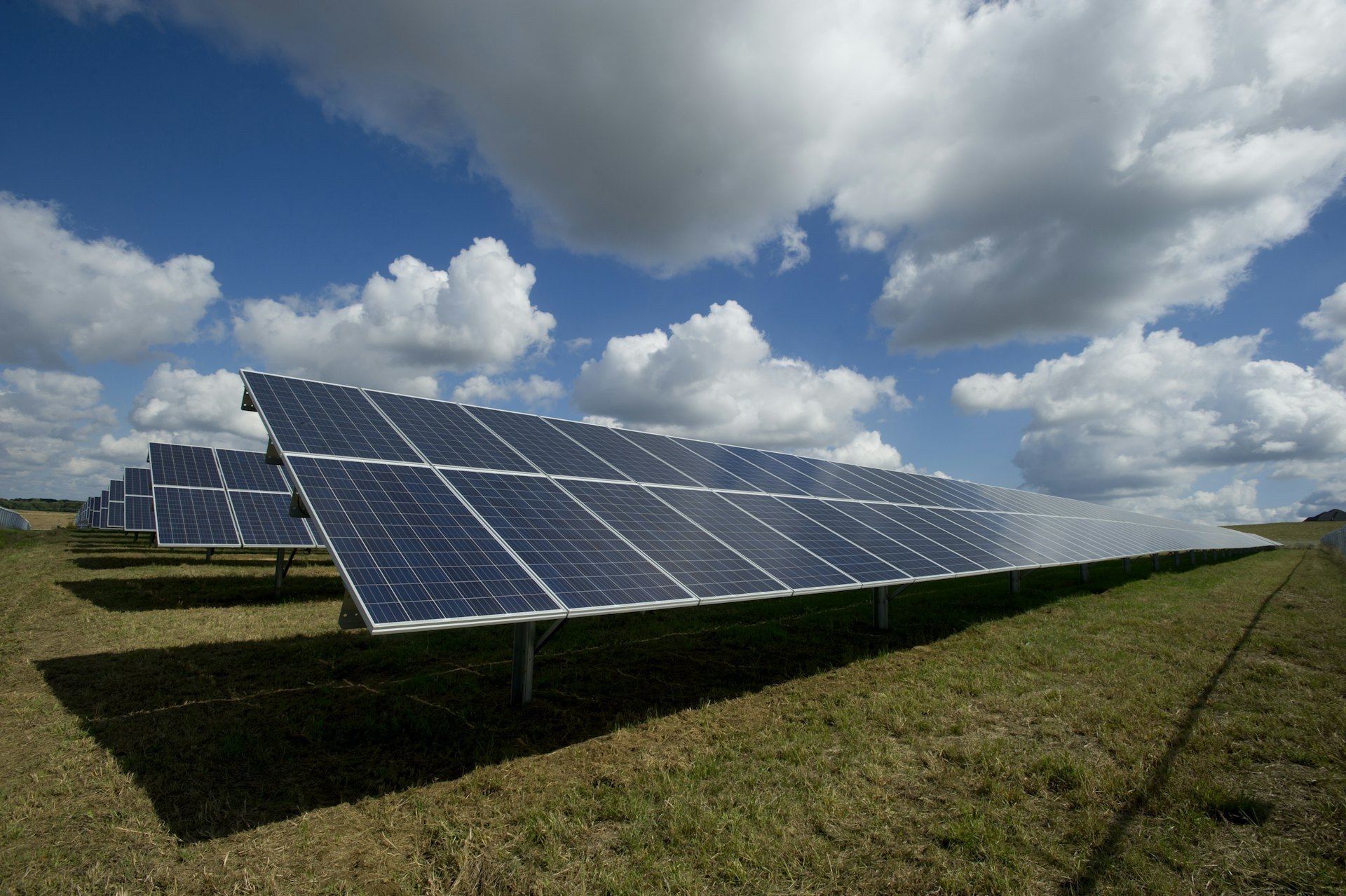
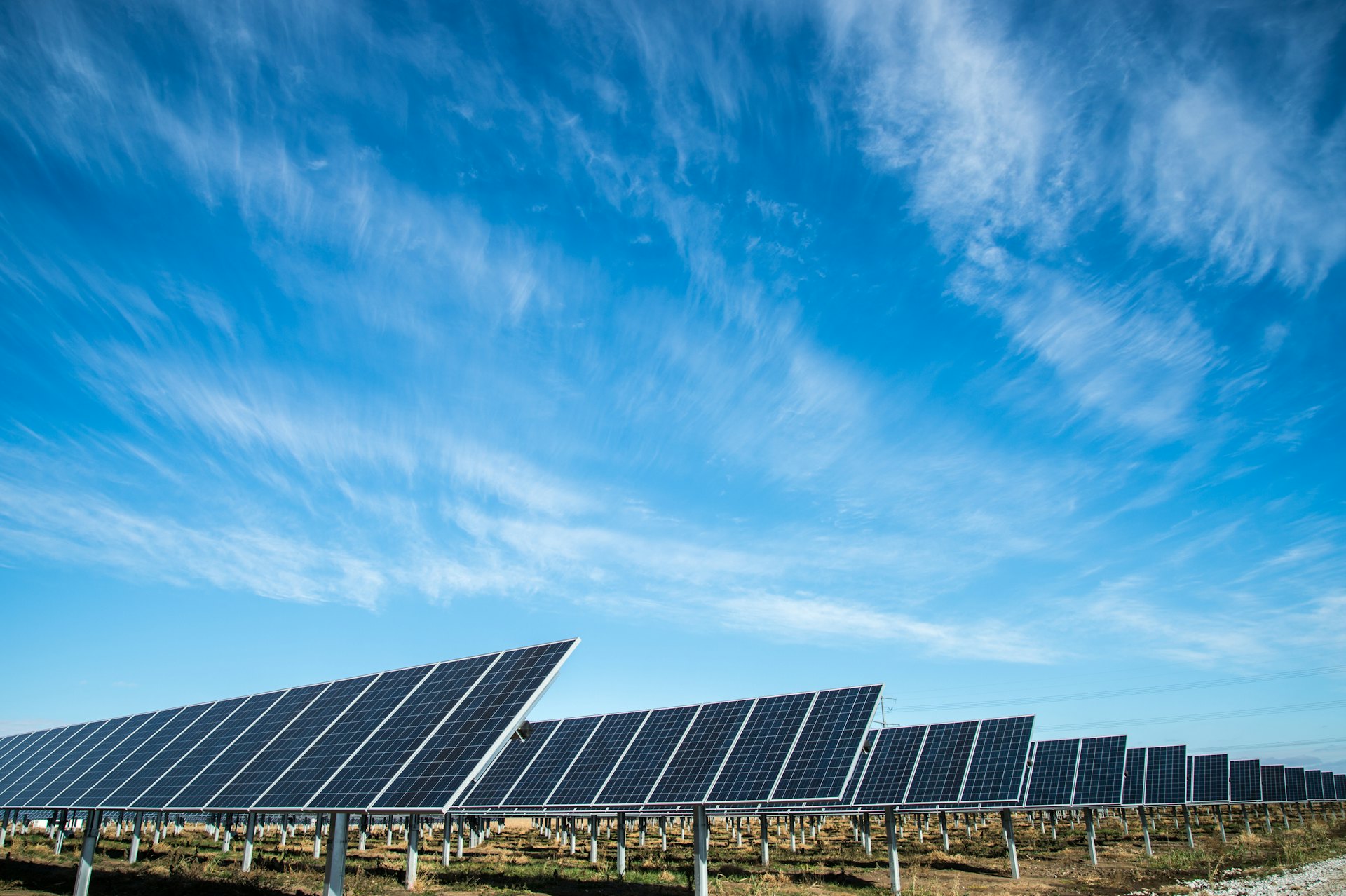
Solar energy is the energy carried by sunlight. It travels from the Sun to the Earth as light and heat, and it can be captured and converted into forms we can use, such as electricity and hot water.
Two main ways to use solar energy
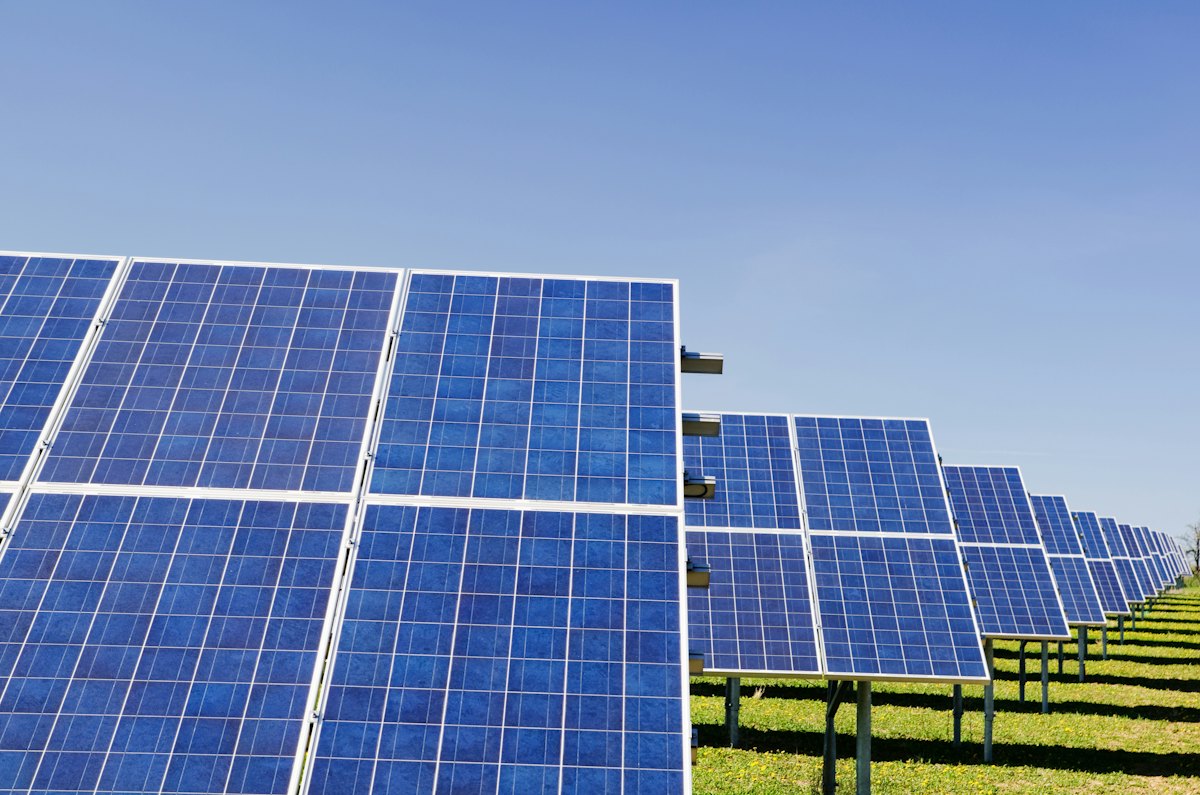
- Solar photovoltaics (PV) convert sunlight directly into electricity using semiconductor cells. This is what most people mean by “solar panels”.
- Solar thermal systems use sunlight to heat water or air, for example in rooftop solar water heaters.
Why solar energy matters
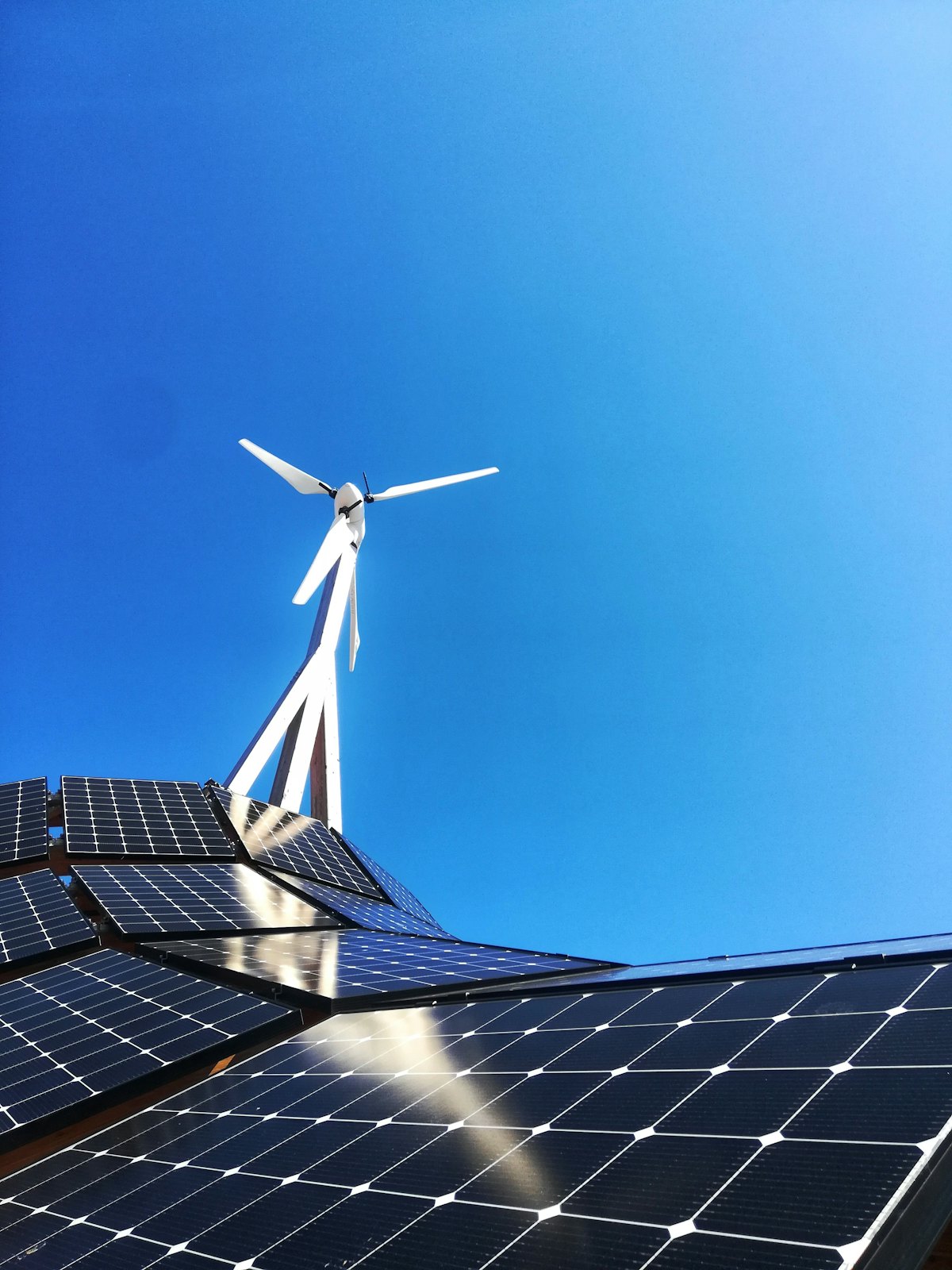
Sunlight is renewable: it is replenished every day and does not run out. A PV system produces electricity without burning fuel, so it has no direct emissions while operating. Solar can be installed at many scales — from a small panel charging a battery to large solar parks supplying the grid.
What affects how much energy you get
The amount of electricity a solar system produces depends on the intensity of sunlight at your location, the time of year, the direction and tilt of the panels, shading, temperature and the quality of the equipment. This is why a site assessment is an important first step for any project.
Limitations to keep in mind
Solar panels only generate while there is daylight, and output falls under heavy cloud. Systems that need to supply power at night or during outages therefore need battery storage or another supply. Understanding these limits helps you design a system that meets your needs.