How Solar Panels Work
From photons to power: a step-by-step look at how photovoltaic cells turn sunlight into electricity and how a complete system delivers it to your home.
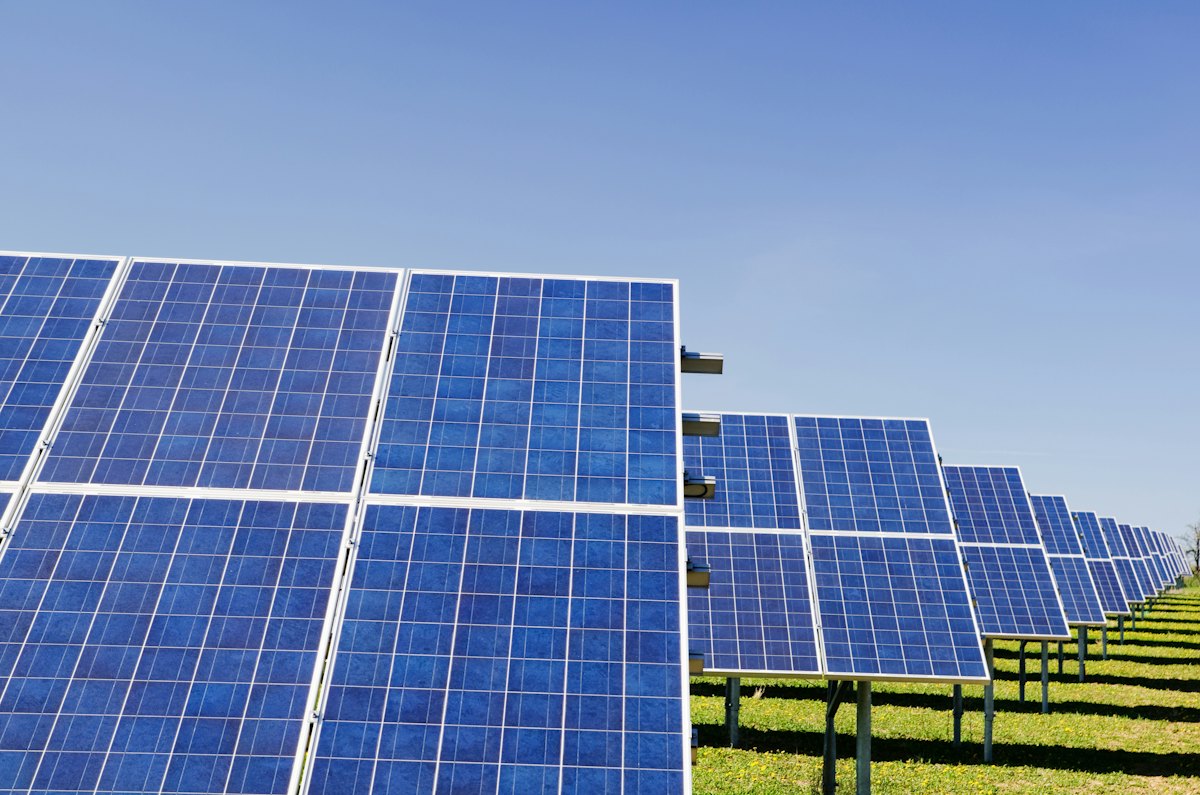
A solar panel is made of many photovoltaic (PV) cells, usually built from silicon. When sunlight strikes a cell, it releases electrons in the silicon and creates an electric current. This is called the photovoltaic effect.
From cell to system
- Cells generate DC electricity. Each cell produces a small voltage; cells are connected together inside a panel to produce useful power.
- Panels form an array. Several panels are wired together in strings to reach the voltage and power the system needs.
- An inverter converts DC to AC. Most appliances and the utility grid use alternating current, so the inverter converts the panels' direct current.
- Power supplies your loads. The electricity flows to your distribution board and is used by lights, fans, pumps and other equipment.
- Surplus is stored or exported. If the system includes batteries, extra energy can be stored for later. Where it is permitted, surplus can also be exported to the grid.
Why orientation and shading matter
Panels produce the most power when sunlight hits them directly. Their direction, tilt angle and any shading from trees, buildings or water tanks have a large effect on output. Even partial shading of one panel can reduce the output of a string, which is why careful layout matters.
Temperature
Solar panels work best when they are cool. In hot weather, panel efficiency drops slightly, so good ventilation behind the panels helps maintain performance.