Types of Solar Panels
Monocrystalline, polycrystalline and thin-film panels each have strengths. Compare efficiency, appearance and typical uses to choose the right type.
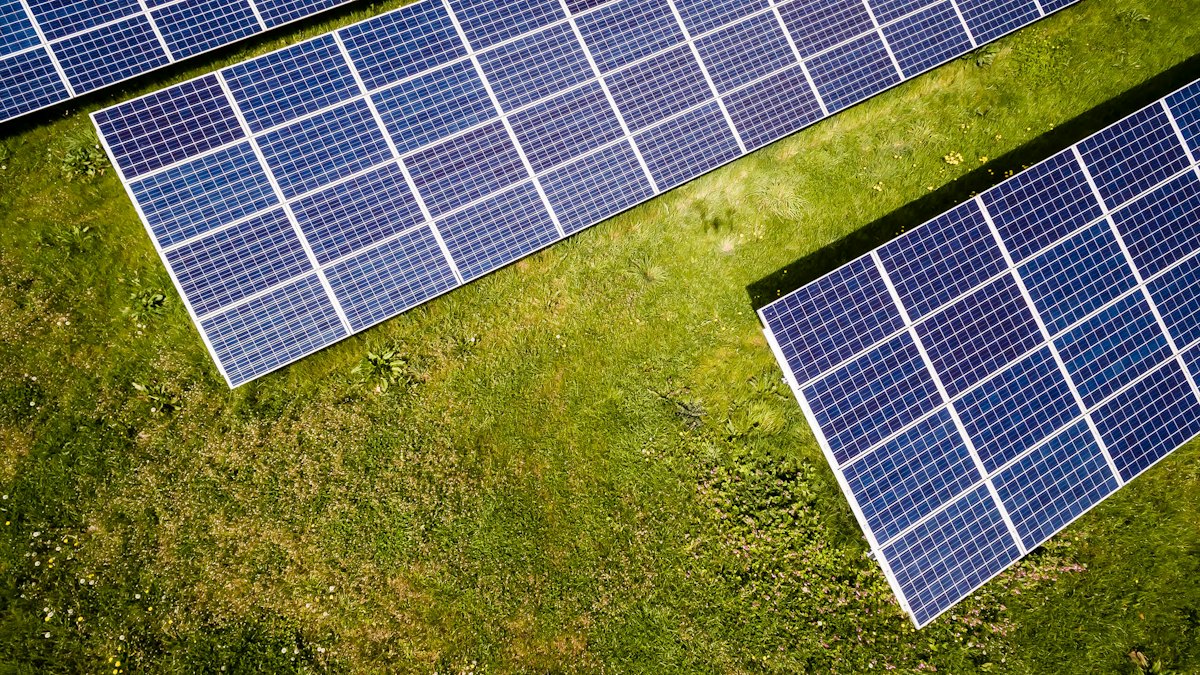
Most solar panels sold today fall into three broad families. Each uses a different way of making the light-absorbing layer.
Monocrystalline panels
Made from single-crystal silicon, monocrystalline panels have a uniform dark appearance and the highest efficiency of the common types. They produce more power per square metre, which makes them a good choice when roof space is limited. Variants such as PERC, half-cut cell and bifacial designs improve performance further.
Polycrystalline panels
Polycrystalline panels are made from silicon with many crystals and have a bluish, speckled look. They are generally slightly less efficient than monocrystalline panels and have become less common as monocrystalline technology has improved.
Thin-film panels
Thin-film panels use very thin layers of photovoltaic material. They can be lightweight or flexible but usually have lower efficiency, so they need more area for the same output. They are used in specialised applications.
How to compare panels
- Rated power (W): the panel's output under standard test conditions.
- Efficiency (%): how much of the sunlight is converted to electricity.
- Temperature coefficient: how much output falls as the panel heats up — lower is better in hot climates.
- Warranties: product and performance warranties from the manufacturer.