 Available on Request
Complete Solar Kits
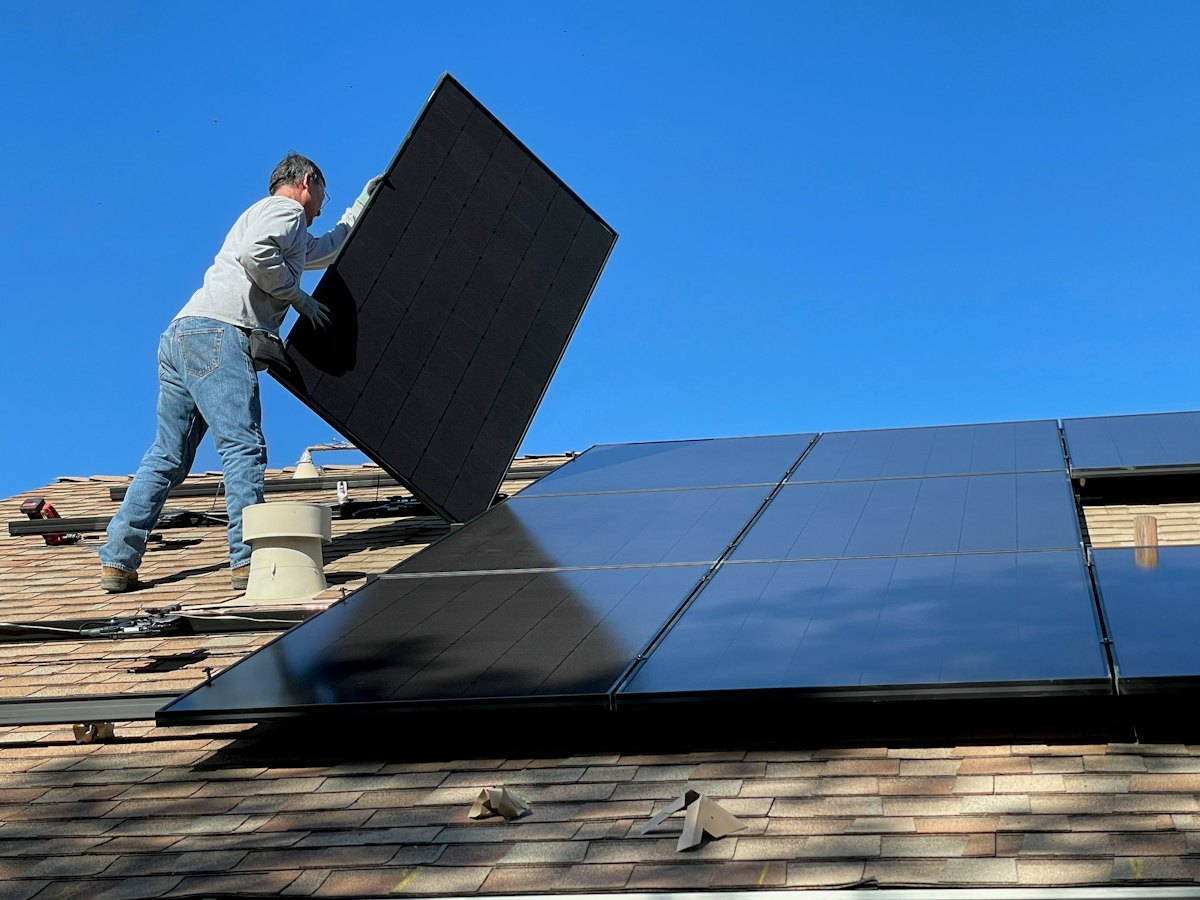
Home Solar Kit 3kW Hybrid
Panels, hybrid inverter, battery and accessories matched for a typical household.
- Array size
- 3 kW
- Inverter
- Hybrid
Price on request
Details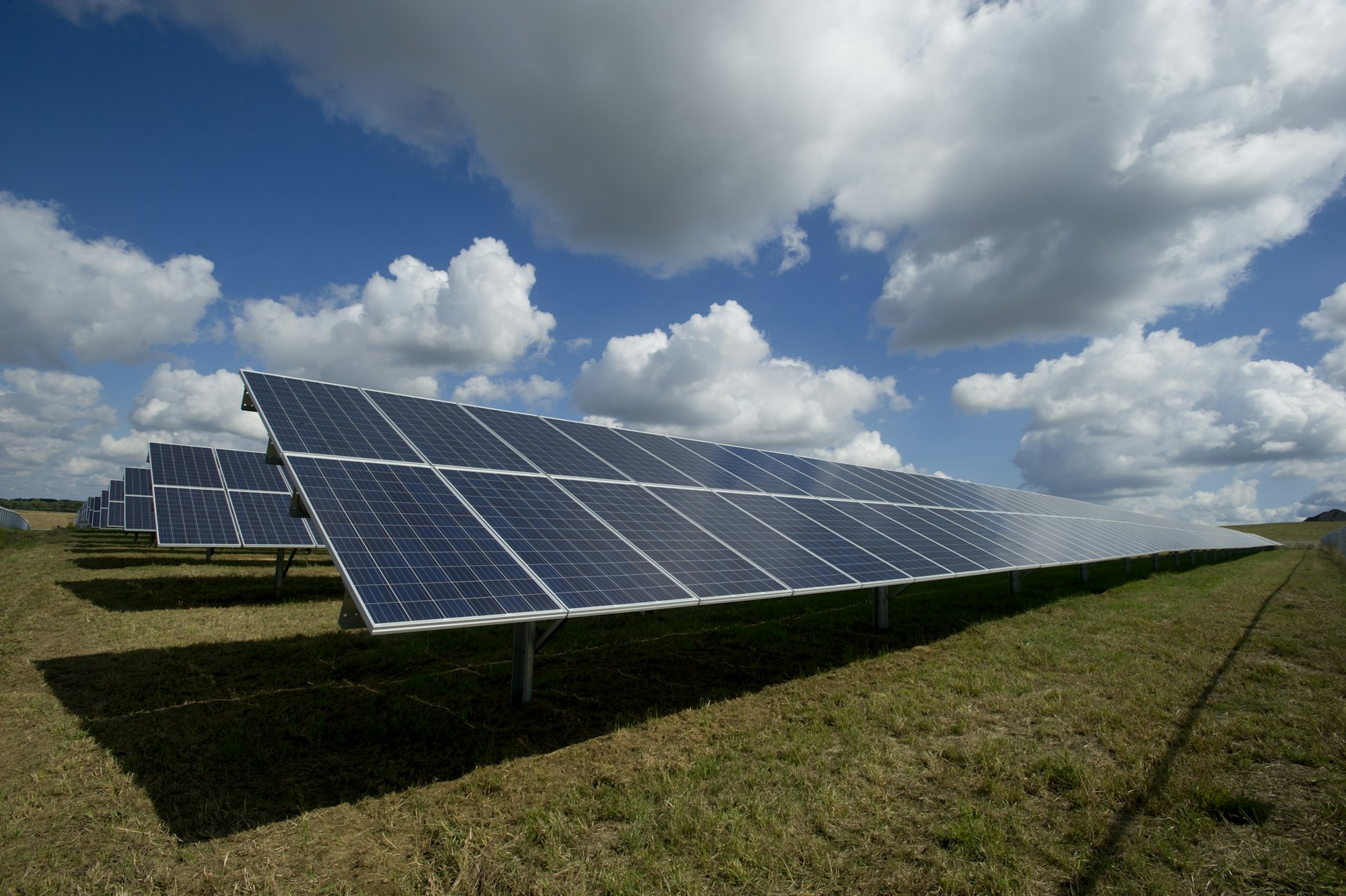
Clean Energy. Lower Bills. A Sustainable Tomorrow.
Discover solar energy solutions designed to help homes and businesses reduce their dependence on conventional electricity and embrace a more sustainable future.
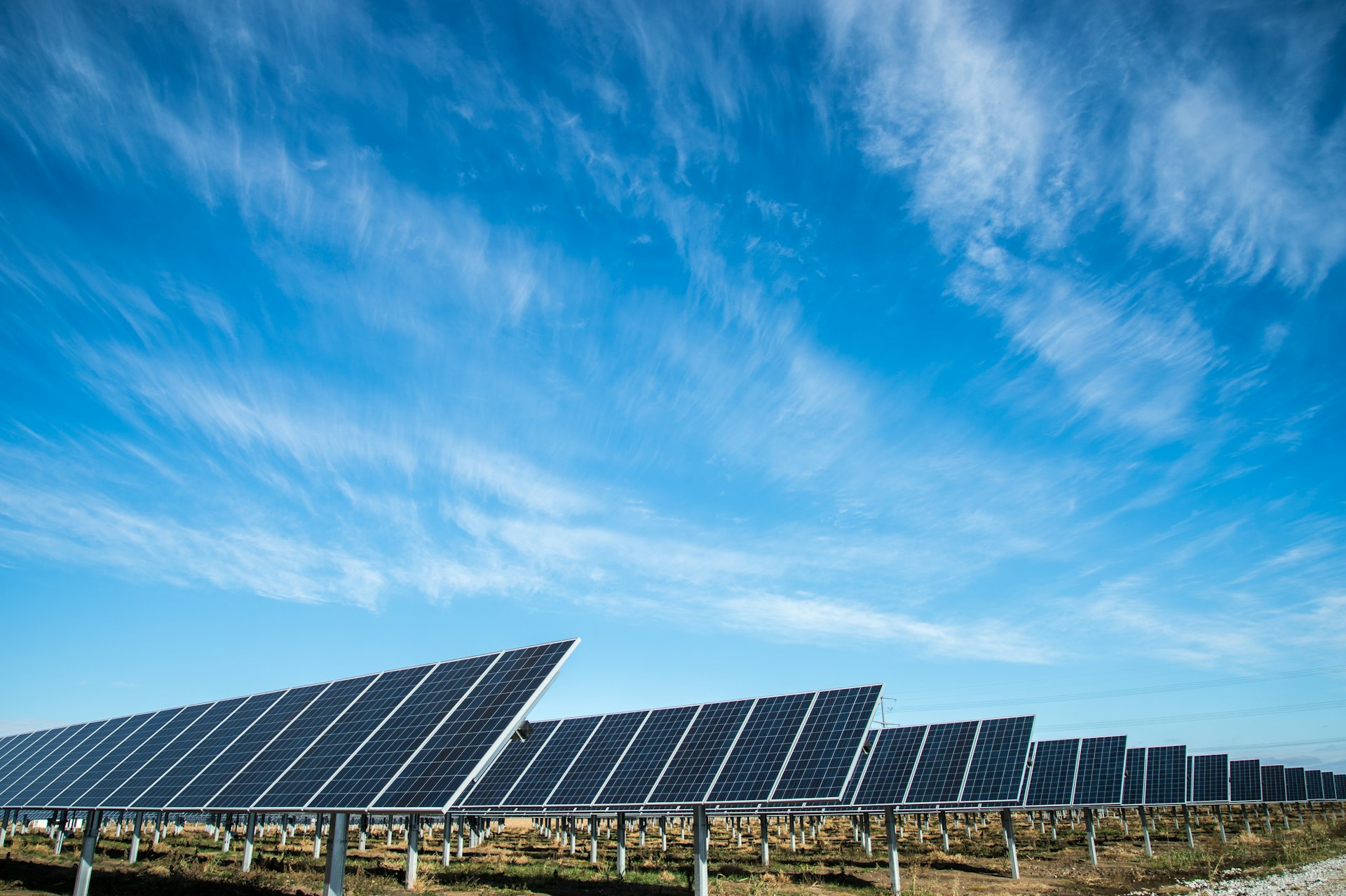
Clear, practical solar information
From panel types and inverters to battery storage and system sizing, our guides explain the essentials in plain language so you can plan with confidence.
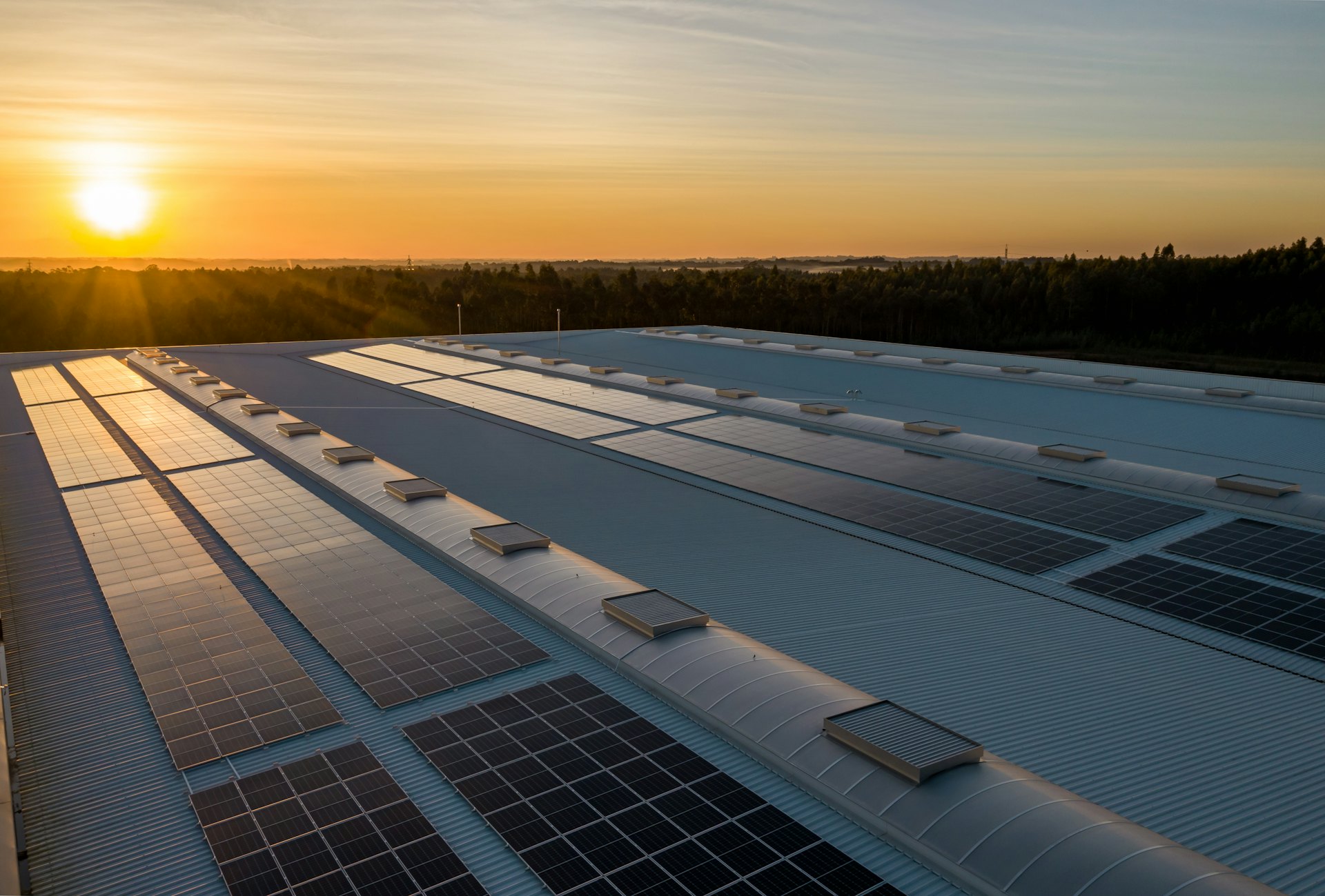
Panels, inverters, batteries and complete kits
Explore solar products and systems for rooftops, commercial buildings, irrigation and off-grid sites — and request a quote tailored to your requirements.
Solar energy 101
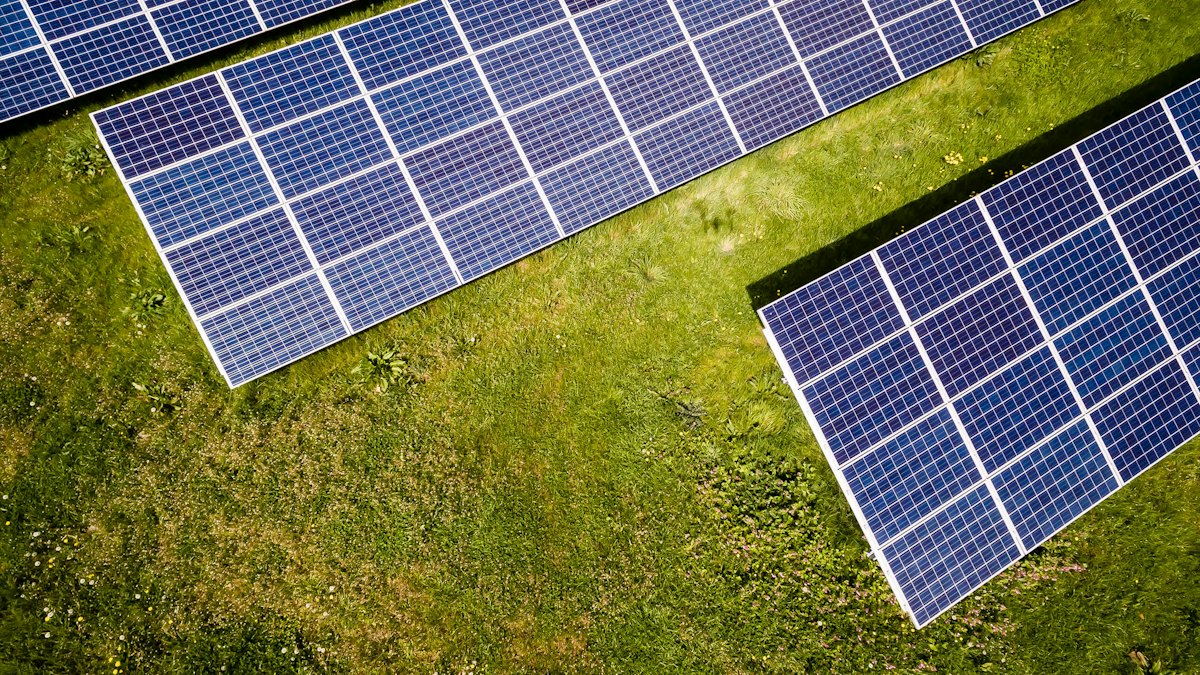
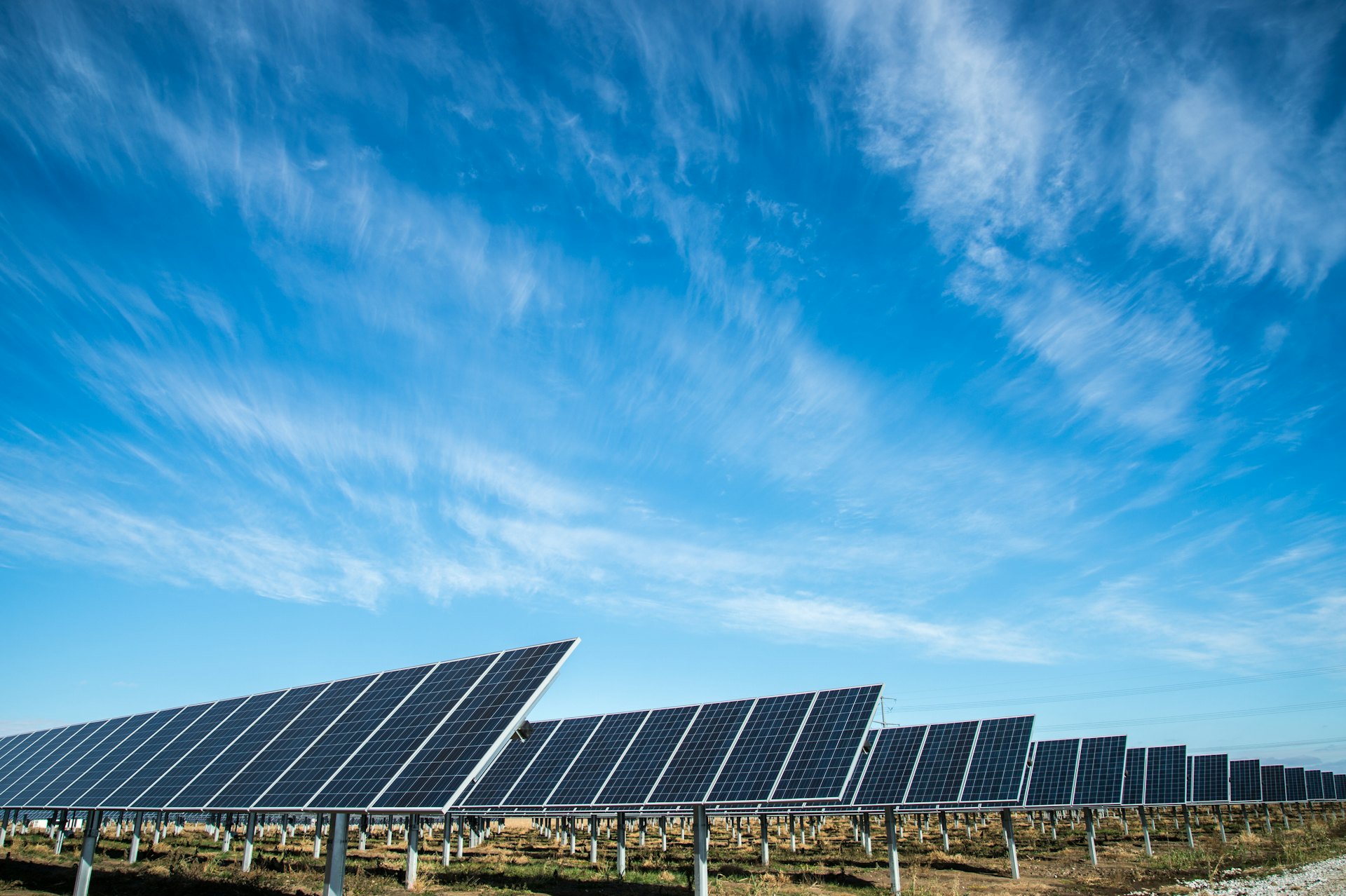
Every day the sun delivers far more energy to the Earth than people use. Solar photovoltaic (PV) systems turn part of that sunlight directly into electricity — quietly, with no fuel and no moving parts. Whether you run a household, a shop, a factory or a farm, solar can become a dependable part of how you meet your electricity needs.
Renewable and abundant
Sunlight is replenished daily and available almost everywhere.
Generated where you use it
Rooftop and on-site systems produce power close to your loads.
Low running requirements
PV panels have no moving parts and need only routine care.
The process
A solar power system turns sunlight into usable electricity in a few clear steps.
Photovoltaic cells in the solar panels convert sunlight into direct-current (DC) electricity.
An inverter converts DC electricity into alternating current (AC), the form used by most appliances and the grid.
Lights, fans, pumps, machines and other suitable electrical loads use the solar electricity as it is generated.
In systems designed with storage, batteries keep extra energy for the evening, cloudy periods or outages.
Where net metering or export is available and permitted, surplus electricity can be fed into the utility grid.
Products
A selection of solar panels, inverters, batteries and complete kits from our catalog.
Available on Request
Complete Solar Kits
Panels, hybrid inverter, battery and accessories matched for a typical household.
Price on request
DetailsSolar Batteries
Lithium iron phosphate battery with integrated BMS for residential storage.
Price on request
DetailsSolar Inverters
Hybrid inverter that combines solar, battery storage and grid power in one unit.
Price on request
Details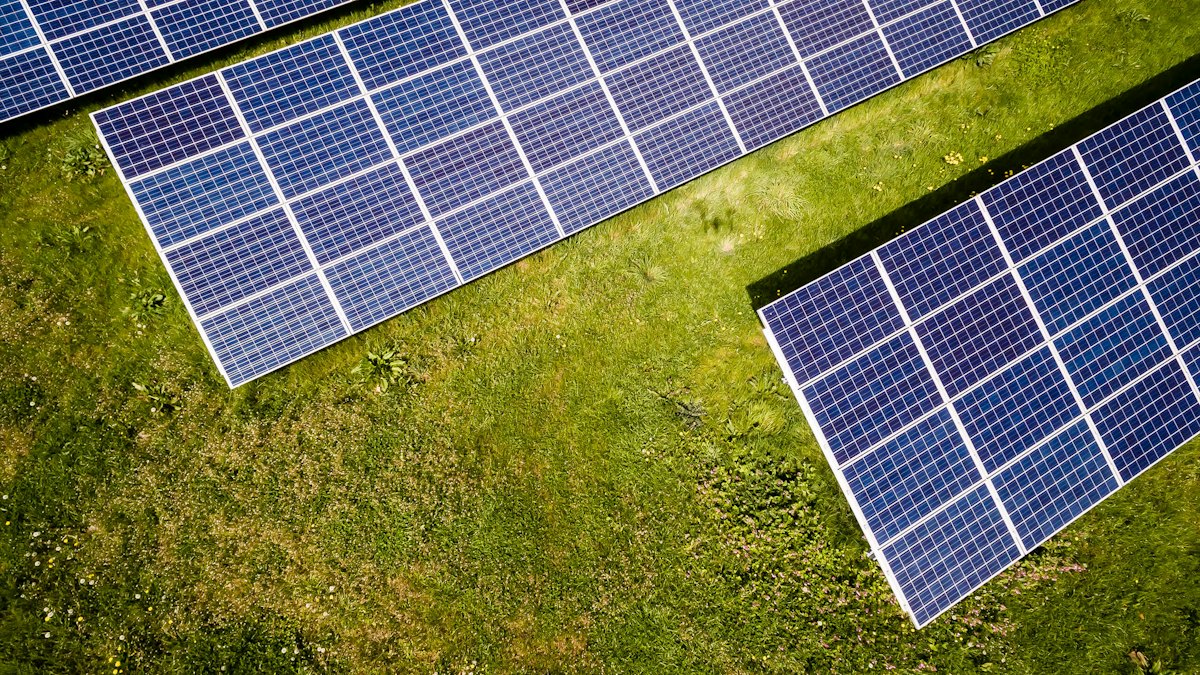 In Stock
Solar Panels
Versatile 450W module for residential rooftops and small commercial systems.
Price on request
Details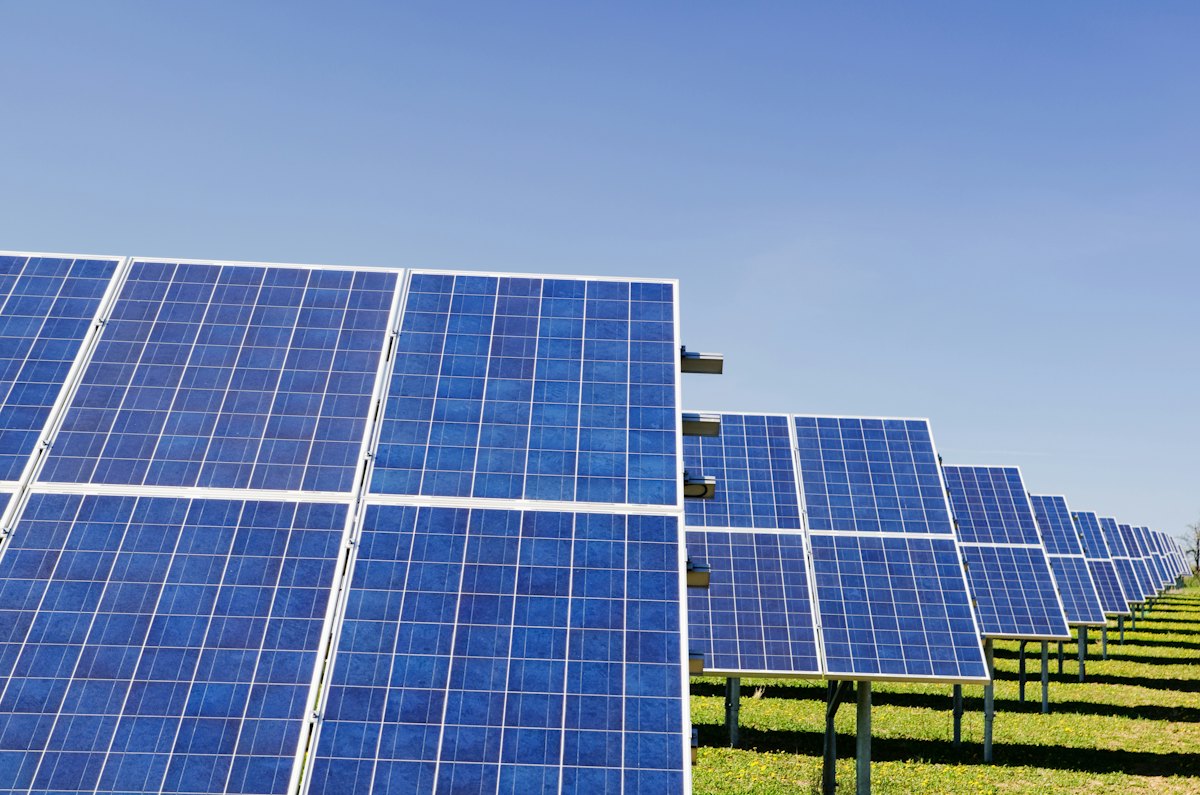 In Stock
Solar Panels
High-efficiency 144 half-cell monocrystalline module for rooftop and ground-mounted systems.
Price on request
Details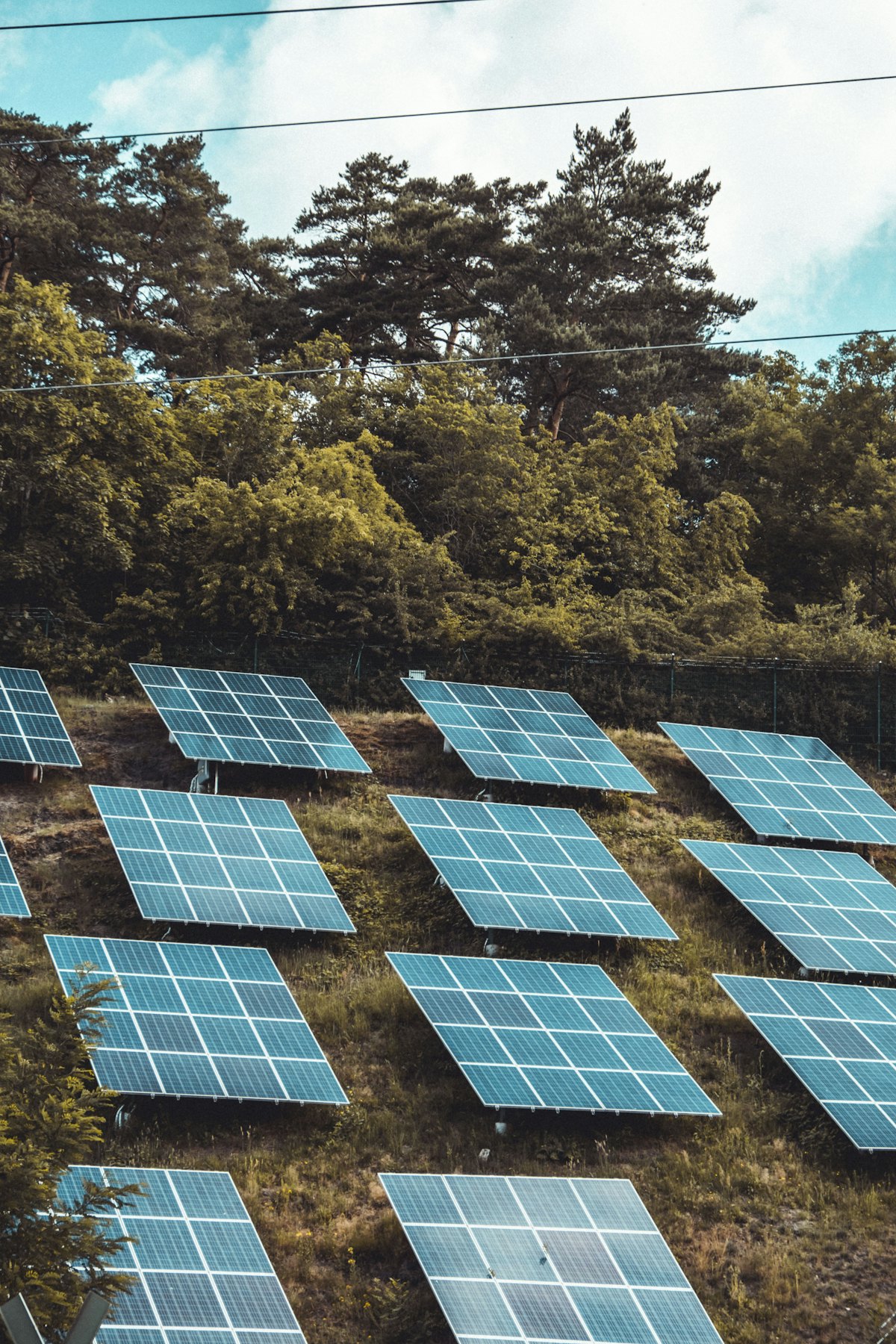 Pre-order
Solar Water Pumps
DC submersible pump with controller for irrigation and water supply.
Price on request
DetailsWhy solar
The advantages of solar depend on your site, usage and system design — these are the benefits most people look for.
Generate electricity from sunlight, a resource that is replenished every day.
Electricity you generate and use yourself can reduce the amount you buy from the grid. Actual savings vary by site and tariff.
Solar, especially with storage, can reduce your dependence on conventional supply and help during outages.
PV systems produce no direct emissions while generating electricity.
Systems can be sized for a single household, a commercial rooftop or an industrial facility.
Solar panels typically carry long performance warranties, which helps with long-term planning.
Applications
Solar technology adapts to many settings. Here are the most common ways it is used.
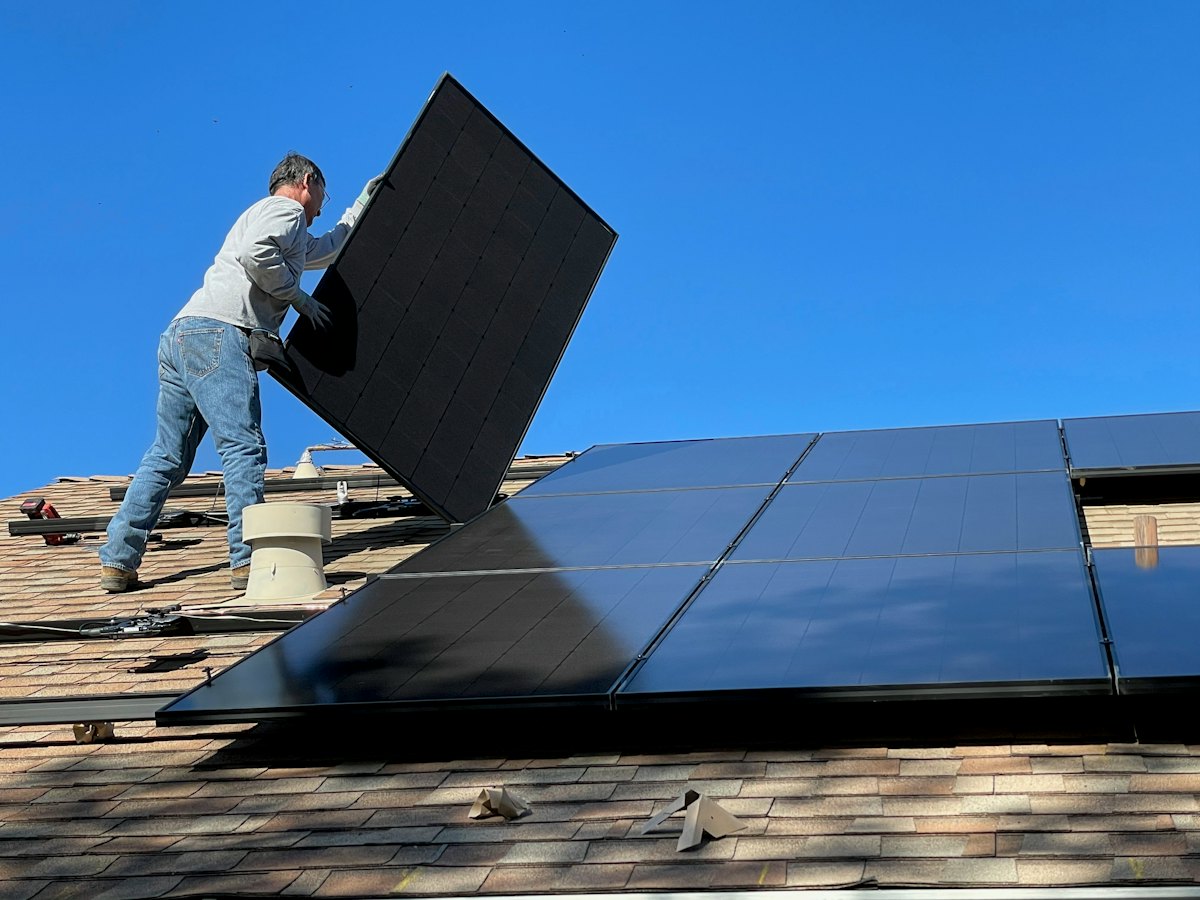
Rooftop systems that supply household lighting, fans, appliances and more.
Learn more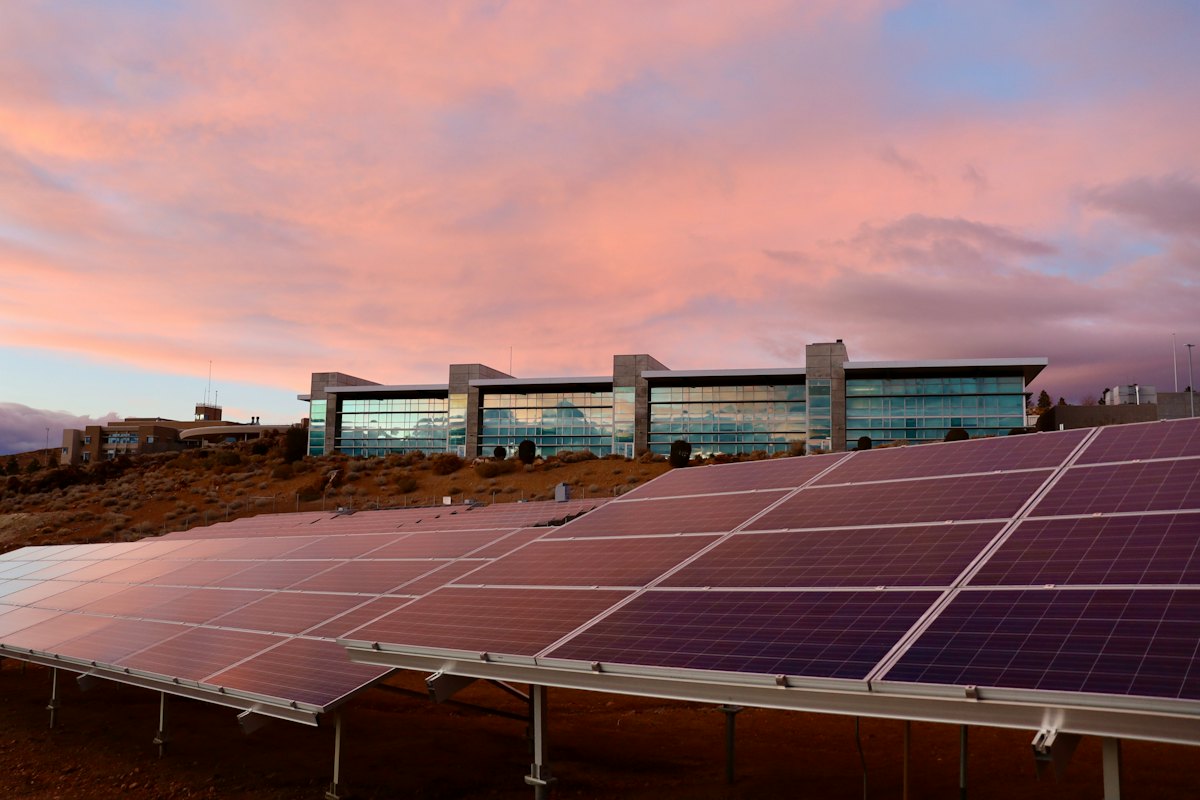
Systems for offices, shops, schools and hospitals with significant daytime demand.
Learn more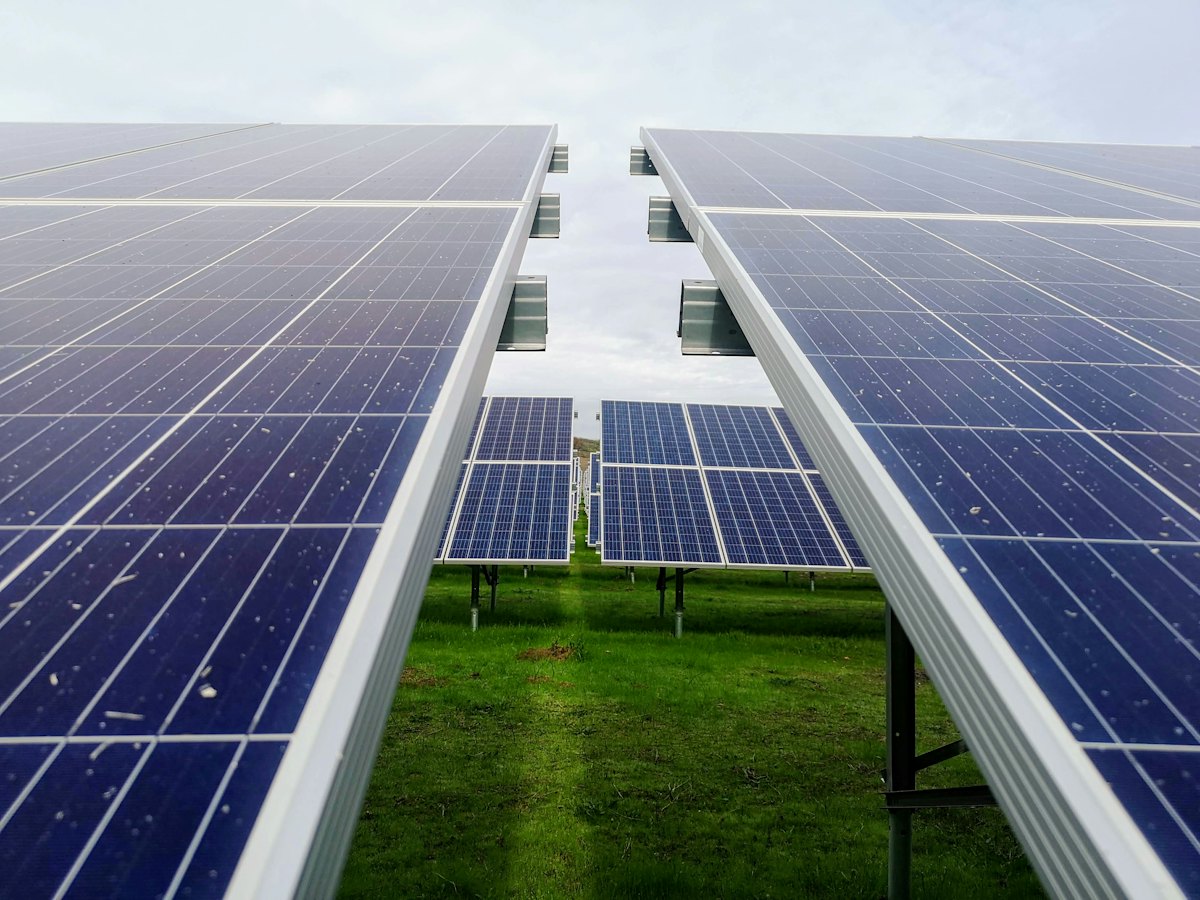
Large rooftop and ground-mounted arrays that offset factory and warehouse consumption.
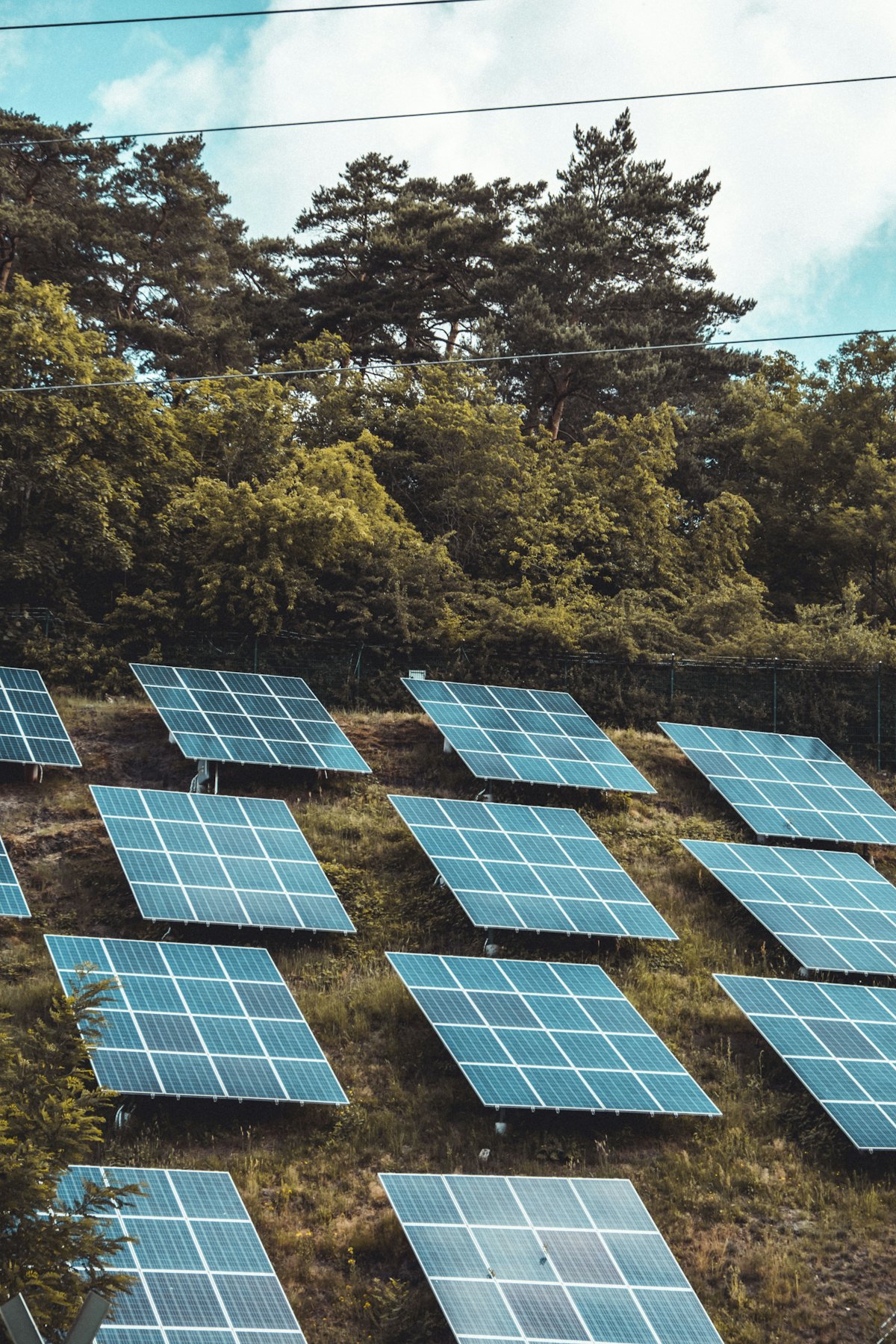
Independent systems for sites that have no grid connection.
Solar-powered pumps for irrigation, livestock and drinking water without diesel fuel.
Systems that work alongside the utility grid, where interconnection is permitted.
On-grid vs off-gridOur approach
We believe a good solar decision starts with good information. Our approach puts your site, your consumption and your goals first.
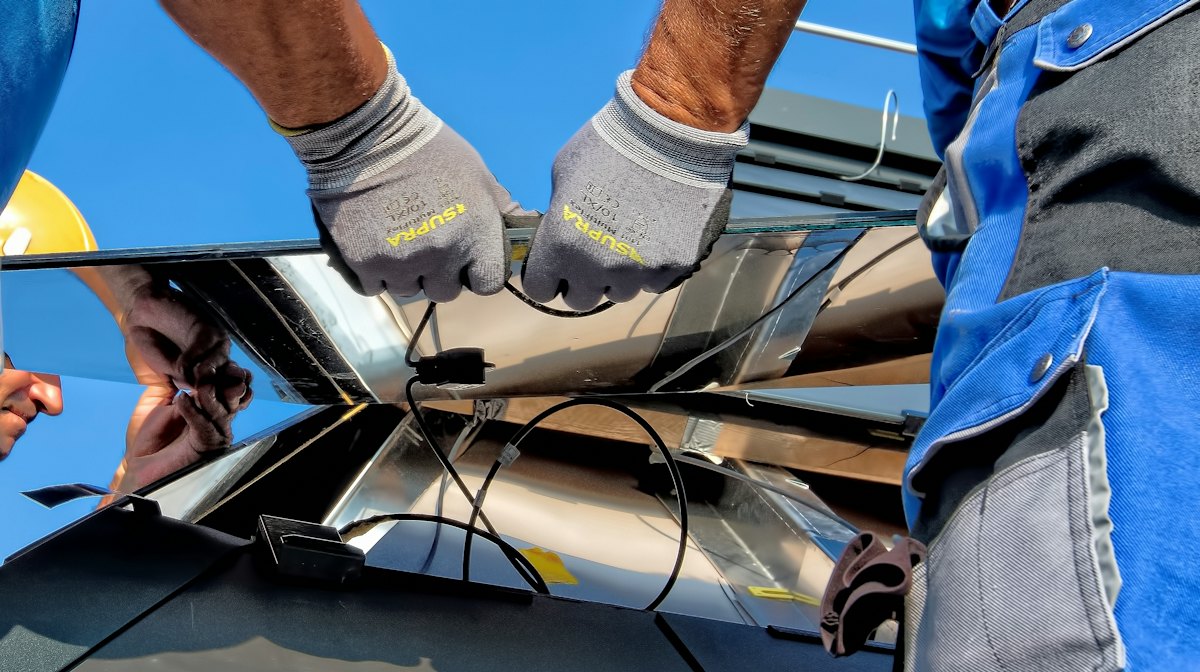
Safety and quality first
Getting started
A typical project moves through five stages.
We discuss your goals, electricity use and budget.
We review the roof or land, shading, structure and electrical setup.
We propose a system size, components and a written quotation.
Qualified technicians mount, wire and connect the system safely.
We test the system, explain its operation and remain available for support.
Solar information
Guides and explainers to help you understand solar technology.
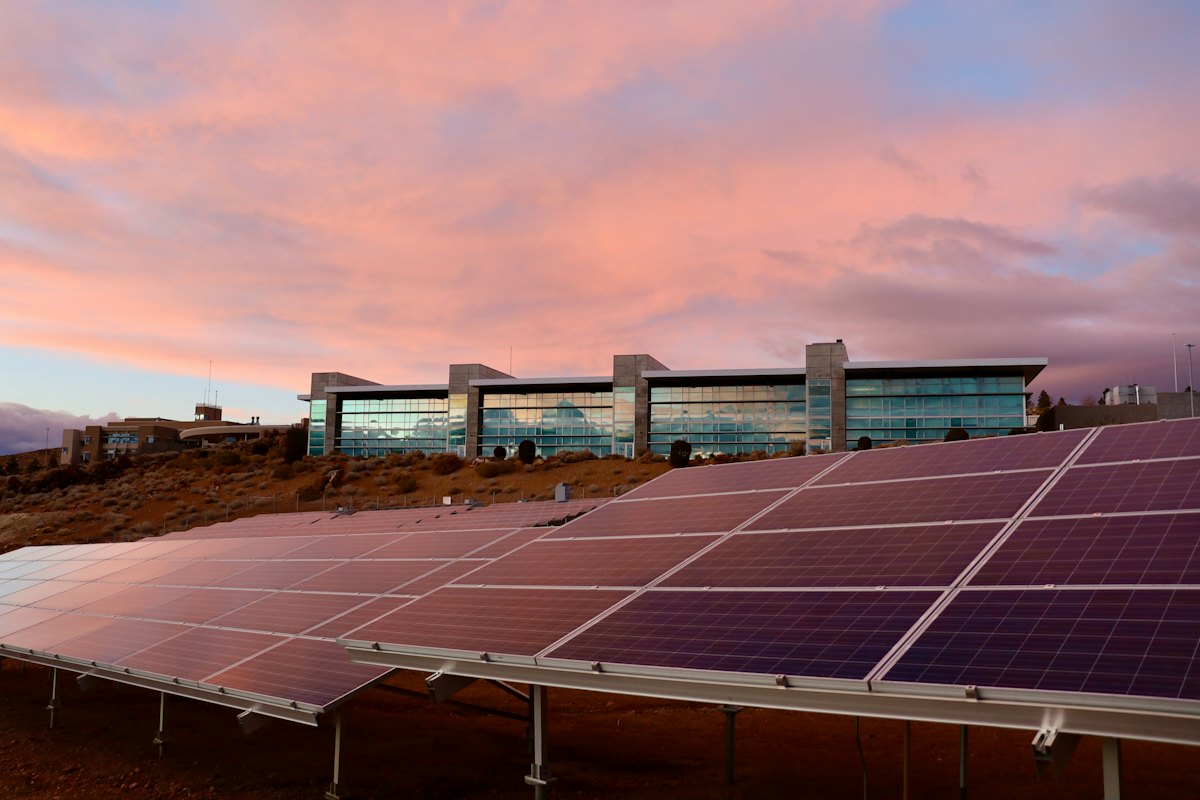
System size, batteries, equipment quality, site conditions and more all influence what a solar project costs.
Read more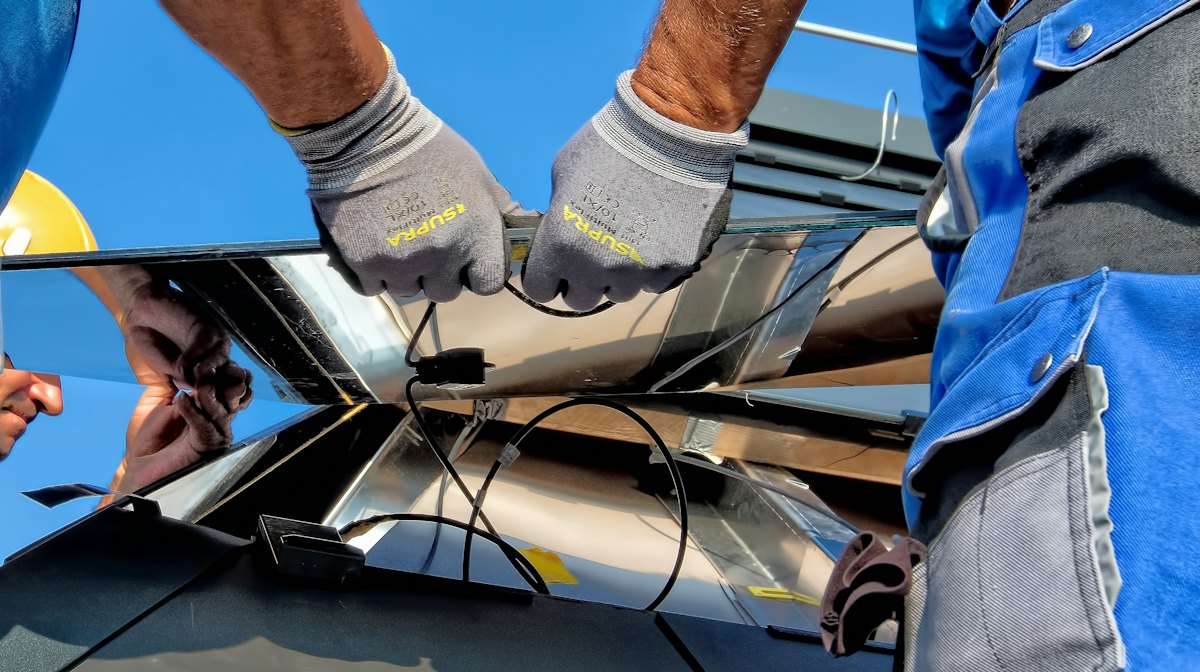
Estimate your energy needs, translate them into panel and battery capacity, and understand the assumptions behind the numbers.
Read more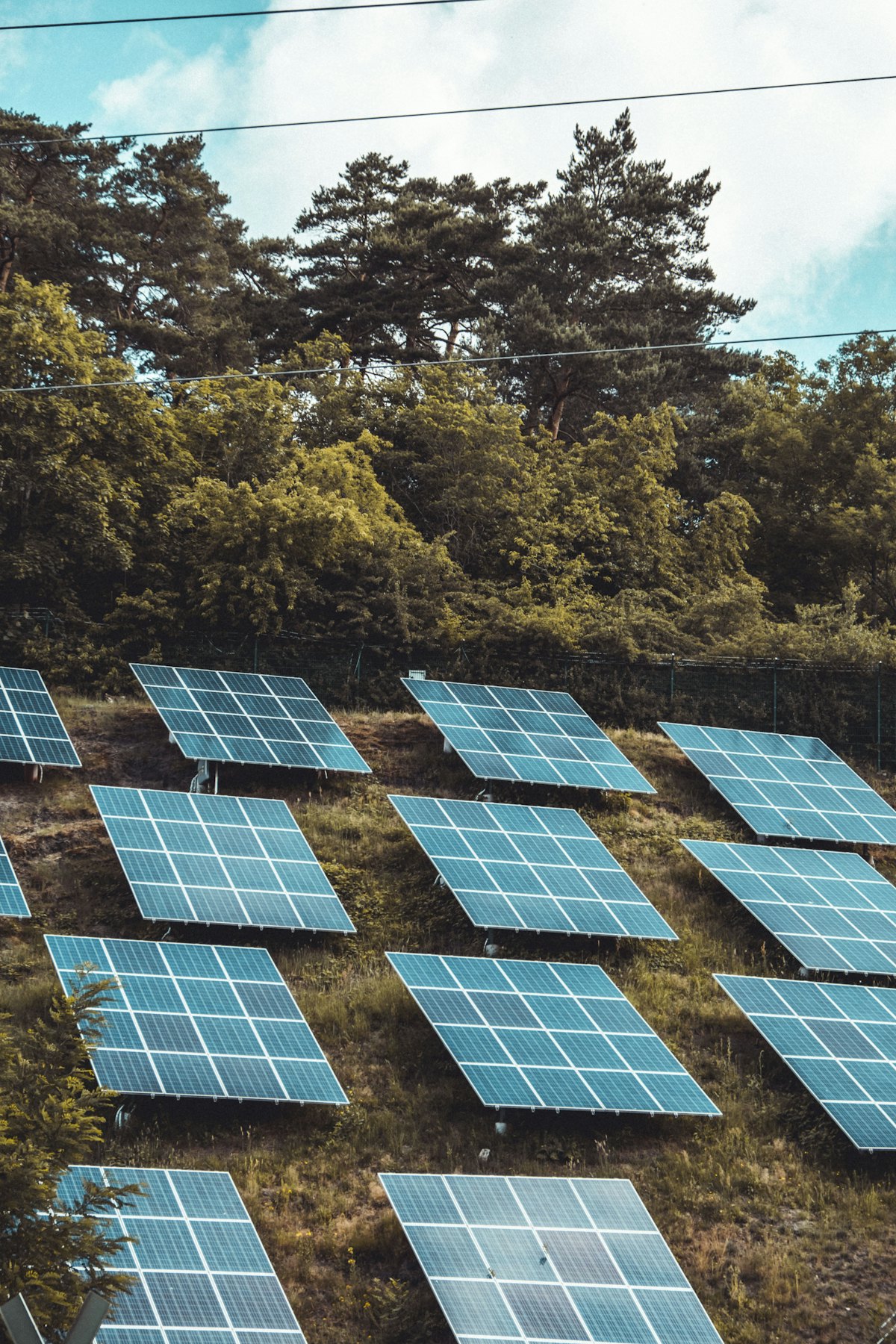
Bangladesh has a long history with solar home systems and growing interest in rooftop, irrigation and commercial solar.
Read moreFAQ
Quick answers to common questions about solar energy.
Yes, but output is lower. Panels generate electricity from daylight, so production drops under heavy cloud and rises again in direct sun. System sizing takes typical weather into account.
A standard grid-connected system shuts down during an outage for safety. To keep power during outages you need a system designed with batteries and a suitable hybrid or off-grid inverter.
Quality panels commonly carry performance warranties of around 25 years and can keep producing beyond that at gradually reduced output. Inverters and batteries usually need replacement sooner.
It depends on panel wattage and the system size you need. As a rough guide, each kilowatt of modern panels needs several square metres of unshaded area. A site assessment gives an accurate figure.
Maintenance is modest: keep panels reasonably clean, check for shading and damage, and have the electrical system inspected periodically. Dusty environments may need more frequent cleaning.
Start with your electricity bills or a list of the loads you want to run. Your daily energy use, available space, budget and whether you want backup all shape the design.
Get started
Tell us about your site and electricity needs, and we will help you understand your options.