Solar Panel Installation: What to Expect
From site assessment to commissioning, here is what happens during a typical solar installation and how to prepare.
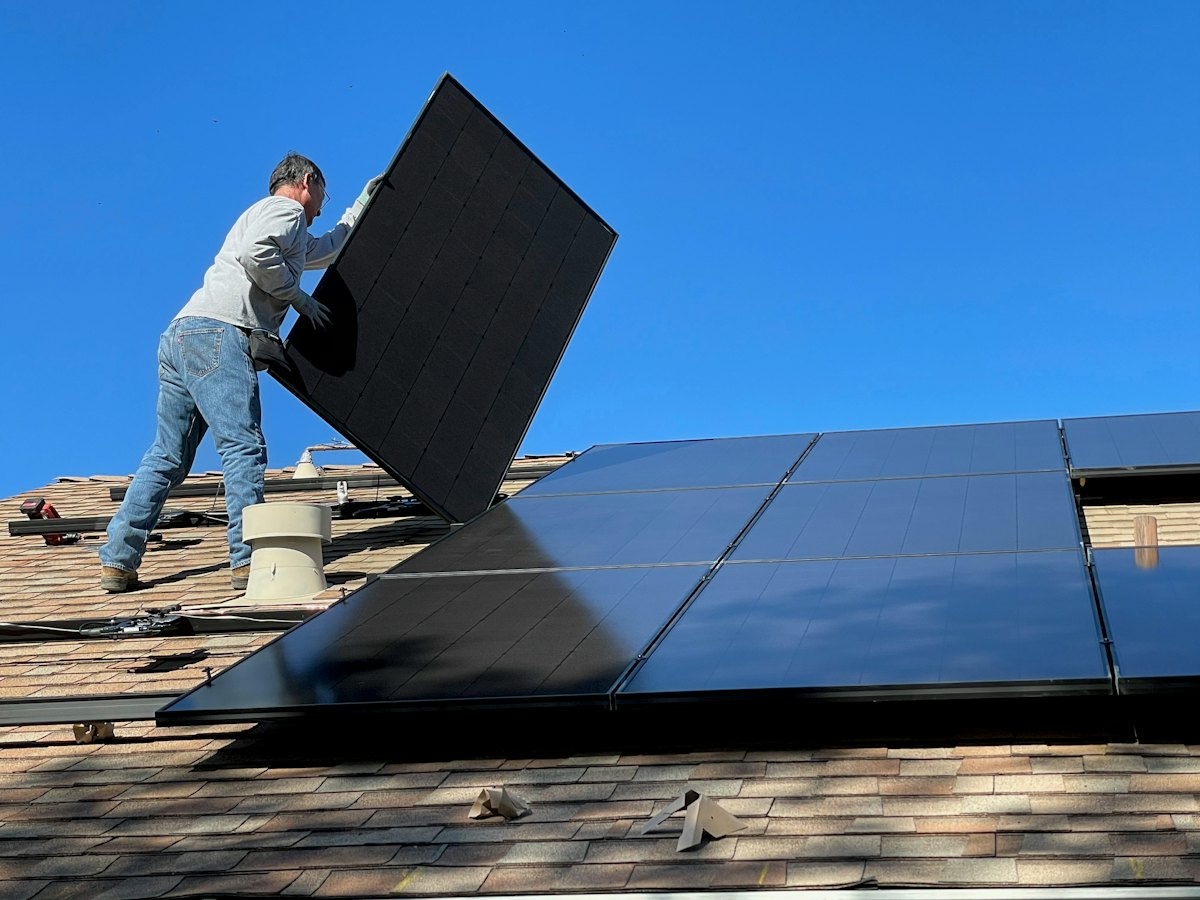
A well-planned installation is essential for safety, performance and long life. Most projects follow similar stages.
1. Site assessment
An installer checks the roof or ground area, structure, orientation, shading and existing electrical installation, and reviews your electricity use.
2. System design
Based on the assessment, the system size, panel layout, inverter, batteries (if any), cabling and protection devices are selected.
3. Mounting
Mounting structures are fixed securely to the roof or ground. Correct fixing and waterproofing are critical, especially in areas exposed to strong winds and heavy rain.
4. Electrical work
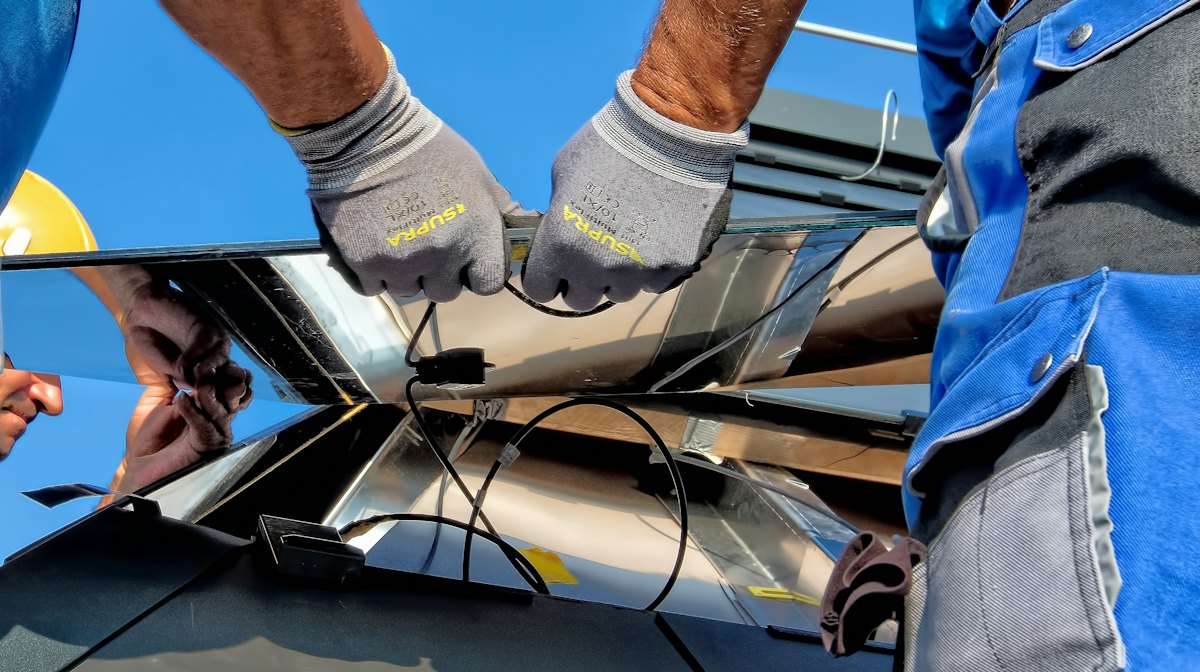
Panels are wired into strings and connected to the inverter with DC cables, isolators and protection devices. The AC side is connected to the distribution board. Earthing and surge protection are installed.
5. Commissioning
The system is tested, settings are configured and monitoring is set up. You should receive documentation and an explanation of how to operate and shut down the system safely.
Safety first
Solar systems involve high DC voltages. Installation and electrical work should always be carried out by qualified technicians.